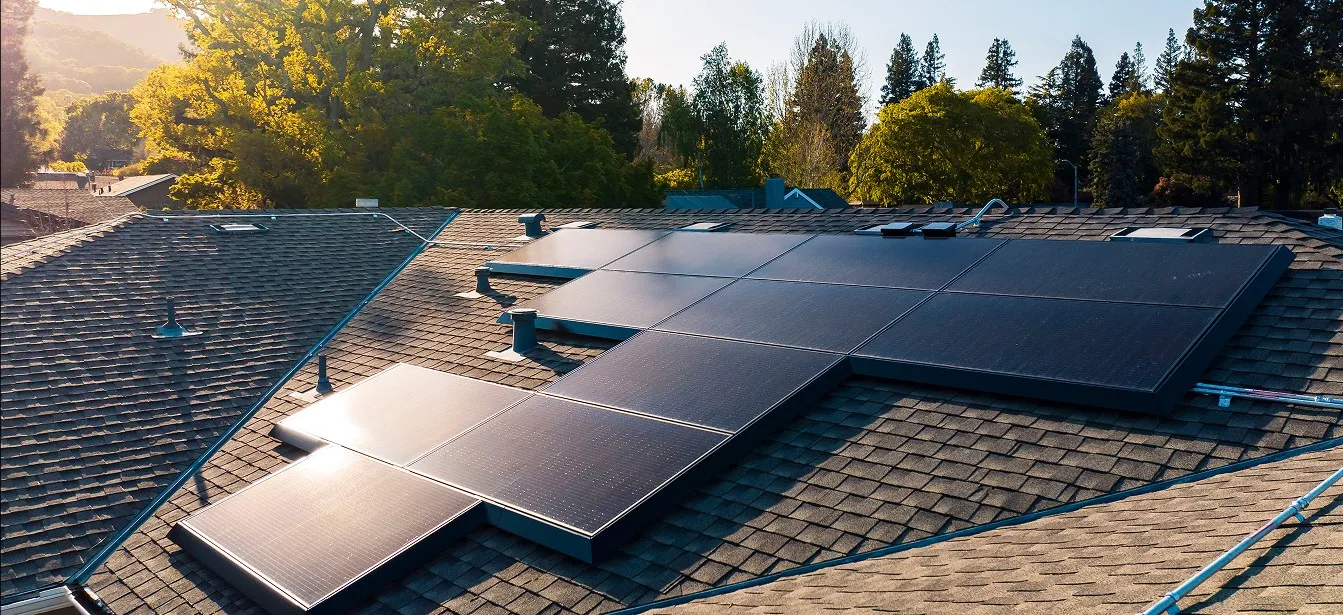
Tesla Solar Panel Installation for Northern Illinois Property Owners
%201%20(1)%201.webp)
Why Choose Tesla Solar Panels?
Power Output and Efficiency:
Available in 415W (TSP-415) and 420W (TSP-420) variants, Tesla Solar Panels boast higher energy production even in shaded conditions.
Clean, Modern Aesthetic:
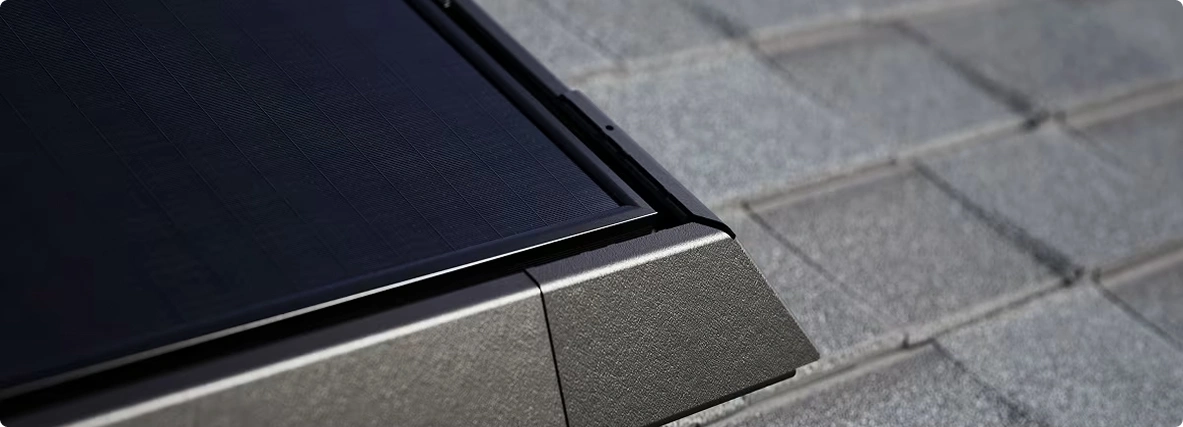
All-black, monochromatic design with a matte finish and no visible bus ribbons or fasteners for a sleek, modern look that blends with various roof types.
Durability
Engineered for weather resistance, with an operating temperature range of -40°F to +185°F, and certifications like IEC/UL 61730 and IEC 61215.
Fast Installation:
According to Tesla, it installs 33% quicker than other panels on the market while using 25% less aluminum rails, with up to 15% fewer roof penetrations, preserving structural integrity and lowering costs.
Install Solar Panels for a Cleaner Home
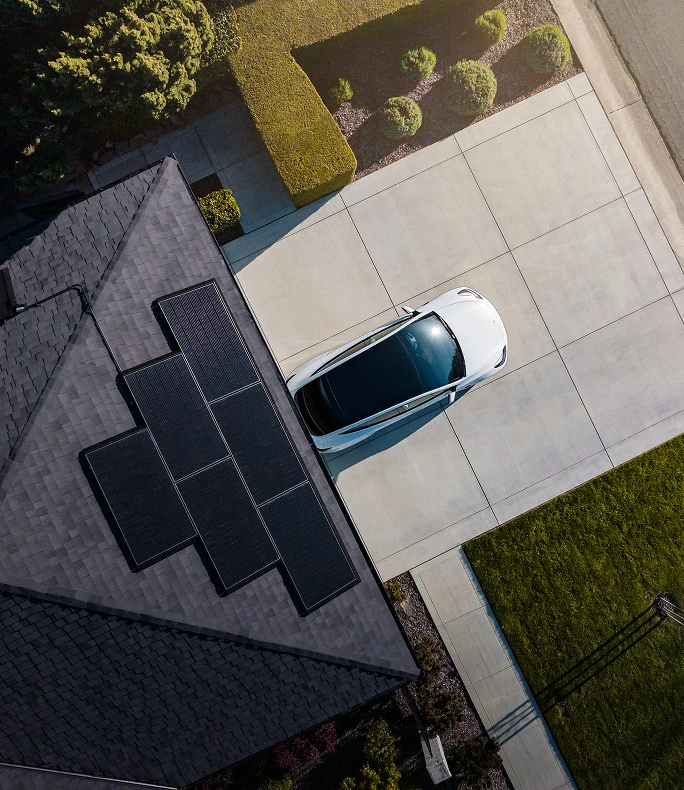
Generate, use, store, and charge in one integrated clean-energy system for residential purposes. The Tesla ecosystem works together to optimize your energy use and savings while shrinking your carbon footprint.
Generate Clean Energy
Produce clean power whenever the sun is out with Tesla Solar Panels.
Use Generated Energy
Run your essentials, such as lights and TV, on clean solar energy.
Save the Excess
Pair Tesla Solar Panels with Powerwall to store extra energy and keep lights on during outages.
Charge Your EV
Charge your electric vehicle with clean power at home using a mobile or wall connector.
Tesla Solar Panels Specs:
TSP-415
TSP-420
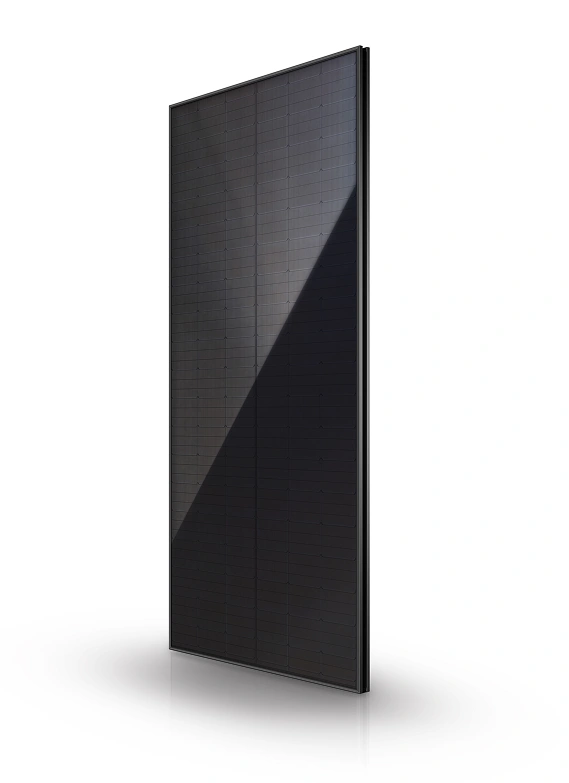
Final panel model (415W vs 420W) may vary by availability and system design
Tesla Solar Panel Cost
per sq. ft.*
per watt*
per unit*
Control Your Solar Setup Through the Tesla App
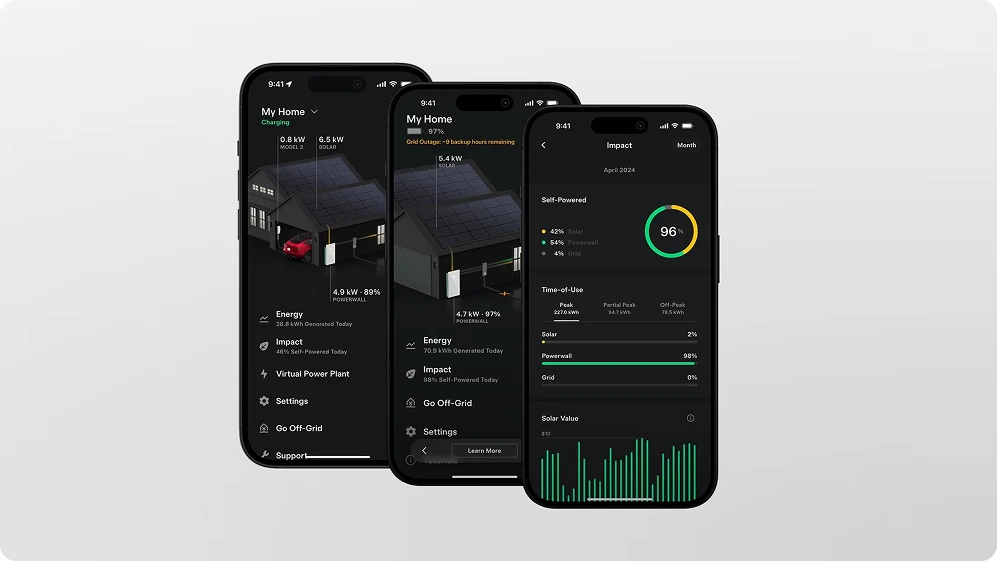
Pairing solar panels with Powerwall gives access to the Tesla app, allowing customers to:
Customize Settings
Choose how your solar power is used, whether to maximize savings, prioritize backup, or balance both.
Track Energy in Real Time
Watch what you generate, how your home uses it, and how much you’re saving in real time..
Receive Urgent Alerts
Stay updated on system status with notifications for grid outages and severe weather conditions.
Standard Solar Panels vs. Tesla Solar Panels
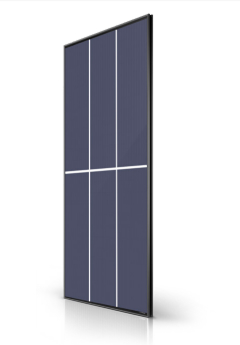
- Fewer power zones (typical), so partial shade can reduce output more.
- Traditional rails & clamps with more rooftop hardware.
- Performance varies by model, roof layout, and inverter/optimizer setup.
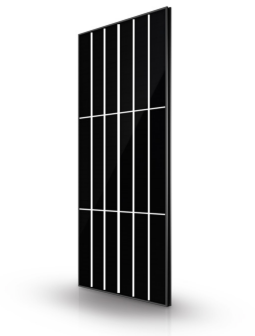
- 8 power zones, so partial shade typically has less impact on output.
- Rail-less Panel Mount option for a faster, cleaner install (vs traditional rails/clamps).
- Sleek, low-profile design, built to pair with Tesla’s home energy ecosystem (inverter + optional Powerwall).
FAQ
Do I need a new roof before installing Tesla solar panels?
Yes, you generally need a new roof before installing Tesla Solar Panels if your roof is over 10 years old or not likely to last the next 25 to 30 years, because starting with a fresh, sturdy roof helps you enjoy decades of smooth, worry-free solar savings.
Replacing an aging roof first is a positive step because it helps your solar system perform without interruption and prevents the added cost of removing and reinstalling panels later. If your roof is newer, around 5 to 10 years old, and in good condition, you can often install Tesla Solar Panels with confidence without replacing it.
How long does it take for a Tesla roof to pay for itself?
Payback depends on your roof, your energy use, the size of the system and the incentives your home qualifies for, so there is no one-size-fits-all number. We calculate your expected payback as part of a free estimate.
A more complex roof, a larger system or an added Powerwall raises the upfront cost and lengthens payback, while the battery also adds backup power and energy independence.
Can I buy and install Tesla solar panels directly from Tesla, or do I need a local installer?
Yes, you can buy Tesla Solar Panels directly from Tesla, and Tesla typically coordinates installation through its own crews or trusted, local, certified installers, keeping the process streamlined from purchase to installation.
You may order Tesla Solar Panels directly on their website, and they will handle everything, from permits, design, and send their own crew or assign a local partner for installation. The advantage of using a local Tesla-certified installer is more personalized customer service, faster issue resolution, and better communication.


